




(586) 323-9300
loader-image
Weather Watcher
Green X Service Area
10:30 AM, Mar 11, 2026
temperature icon 52°F
light rain
Humidity: 97 %
Pressure: 1000 mb
Wind: 9 mph
Wind Gust: 23 mph
Clouds: 100%
Visibility: 2 mi
Sunrise: 7:52 AM
Sunset: 7:34 PM
  • Temperature
  • Precipitation
  • Rain Chance
  • Wind
  • Humidity
  • Pressure
11:00 AM
temperature icon
52°/57°°F 1 mm 100% 9 mph 97% 1000 mb 0 mm/h
2:00 PM
temperature icon
53°/57°°F 1 mm 100% 10 mph 96% 1000 mb 0 mm/h
5:00 PM
temperature icon
54°/55°°F 0 mm 0% 14 mph 91% 1002 mb 0 mm/h
8:00 PM
temperature icon
38°/38°°F 0.2 mm 20% 17 mph 81% 1008 mb 0.36 mm/h
11:00 PM
temperature icon
30°/30°°F 0 mm 0% 20 mph 73% 1012 mb 0 mm/h
2:00 AM
temperature icon
29°/29°°F 0 mm 0% 21 mph 69% 1014 mb 0 mm/h
5:00 AM
temperature icon
28°/28°°F 0 mm 0% 15 mph 67% 1016 mb 0 mm/h
8:00 AM
temperature icon
28°/28°°F 0 mm 0% 14 mph 66% 1018 mb 0 mm/h

WHAT TO DO:

With minimal rainfall and high heat in the forecast, it's important to adjust your lawn and tree care routine. Water deeply but infrequently—ideally early in the morning—to encourage strong root growth and reduce evaporation. Mow less often and keep your grass a bit taller (around 3–4 inches) to provide natural shade for the soil. Avoid fertilizing or applying herbicides during extreme heat, as this can stress your lawn even further. For trees and shrubs, focus watering around the root zone and consider adding mulch to help retain moisture. Every drop counts—use water wisely to help your yard survive the dry spell.

QUICK TIPS

Water deeply 2–3 times per week, early in the morning.

Mow higher (3–4 inches) to shade the soil.

Avoid fertilizing—wait for cooler, wetter conditions.

Use mulch or compost to help retain soil moisture.

SEE THE WARNING SIGNS EARLY!

While they often appear together, heat stress and drought stress aren’t the same. Heat stress is caused by prolonged high temperatures—usually above 85°F—and can affect your lawn even if it's being watered. You may notice grass turning bluish-green, wilting, or showing signs of slowed growth. On the other hand, drought stress is the result of too little water, regardless of the temperature. It often shows up as dry, tan, or straw-colored patches, hard soil, and visible footprints that don’t bounce back. Understanding the difference helps ensure you apply the right care strategy—whether it's adjusting your watering schedule or helping your grass recover from intense heat.

If your lawn has mysterious brown patches that peel up like loose carpet, you might be dealing with grub damage. Grubs are the larvae of beetles, and they feed on grassroots just below the surface. As they chew through the roots, grass loses its anchor and ability to absorb water, leading to widespread wilting and dead spots. You may also notice an increase in birds, raccoons, or moles digging up the lawn—these pests love to feed on grubs. Early detection is key: check for grubs by lifting a small section of turf. If you see more than 5–10 grubs per square foot, treatment is recommended to stop the damage before it spreads.

If you're seeing raised trails, soft tunnels, or small mounds of soil in your yard, voles or moles may be the culprits. Moles tunnel underground in search of insects like grubs and worms, leaving behind ridges and mounds as they go. Voles, on the other hand, are small rodents that chew on grass and plant roots, often leaving shallow, winding trails in the lawn, especially near garden beds or structures. While moles cause more structural disruption, voles can do lasting damage to turf and ornamental plants. Both pests can be active year-round but are especially noticeable in spring and fall. If you spot signs early, we can recommend targeted solutions to protect your landscape before the damage spreads.

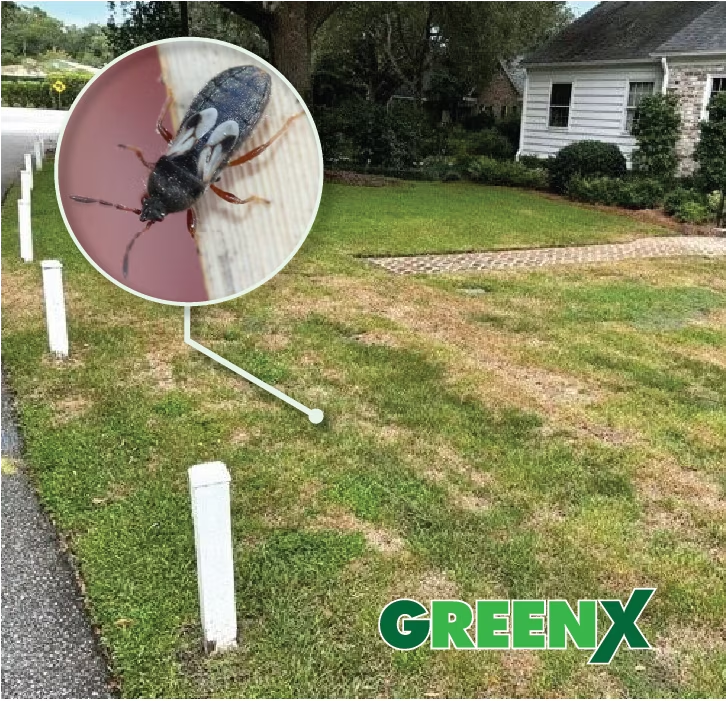
If your grass looks like it’s drying out—even with regular watering—it might not be the weather. Chinch bugs are tiny, sap-sucking insects that feed on grass blades, injecting toxins that cause the turf to turn yellow, then brown and die off in large, spreading patches. They thrive in hot, sunny areas and often go unnoticed until significant damage appears. Unlike drought stress, these patches won't bounce back with water. If the damage spreads quickly and the soil feels dry but the lawn lifts easily, chinch bugs could be the issue. Early detection and proper treatment can prevent your lawn from thinning out beyond repair.

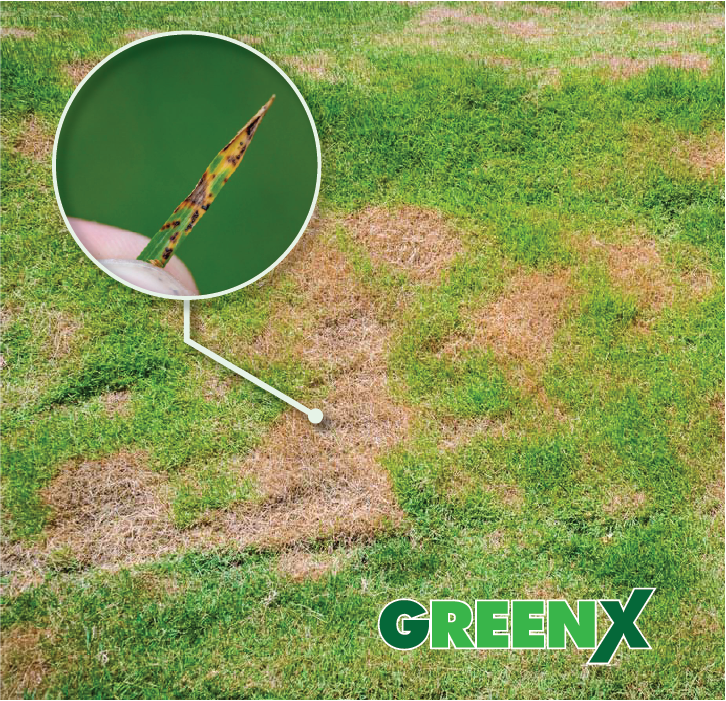
If you’re noticing discolored patches, rings, or odd-looking spots on your grass, a fungal disease may be the cause. Common lawn fungi—like brown patch, dollar spot, or rust—thrive in warm, humid conditions or in areas with poor airflow and excess moisture. These diseases can cause grass to turn yellow, brown, or even develop powdery or slimy coatings. Overwatering, mowing too short, and thick thatch can all contribute to fungal outbreaks. While some minor fungal issues resolve on their own, widespread or recurring patches often need professional treatment. Catching these issues early and adjusting watering and mowing habits can help your lawn recover faster and prevent future flare-ups.

What They Say.

Check out our what our current customers have to say about GreenX Lawn and Tree Care

Ready to Experience the GreenX Difference?

Ready to Experience the GreenX Difference?

Service Map

GreenX Lawn and Tree Care is your go-to solution for premier lawn care services in South East, MI. We understand the significance of a well-maintained lawn, which is why our expert team is dedicated to providing expert services tailored to your needs. With our comprehensive approach to lawn care, we ensure your lawn remains healthy, vibrant, and visually stunning throughout the year.

Service Map
OAKLAND COUNTY MACOMB COUNTY WAYNE COUNTY

OAKLAND COUNTY

Berkley, Beverly Hills, Birmingham, Bloomfield Hills, Clawson, Ferndale, Franklin, Hazel Park, Huntington Woods, Lake Orion, Lakeville, Leonard, Madison Heights, Oakland Township, Rochester, Pleasant Ridge, Rochester Hills, Royal Oak, Southfield, Troy, West Bloomfield

MACOMB COUNTY

Bruce, Center Line, Chesterfield, Eastpointe, Fraser, Harrison Twp, Macomb Twp, Mount Clemens, New Baltimore, New Haven, Richmond, Romero, Roseville, Shelby Twp, St. Clair Shores, Sterling Heights, Utica, Warren, Washington Twp

WAYNE COUNTY

Grosse Pointe, Grosse Pointe Park, Grosse Pointe Farms